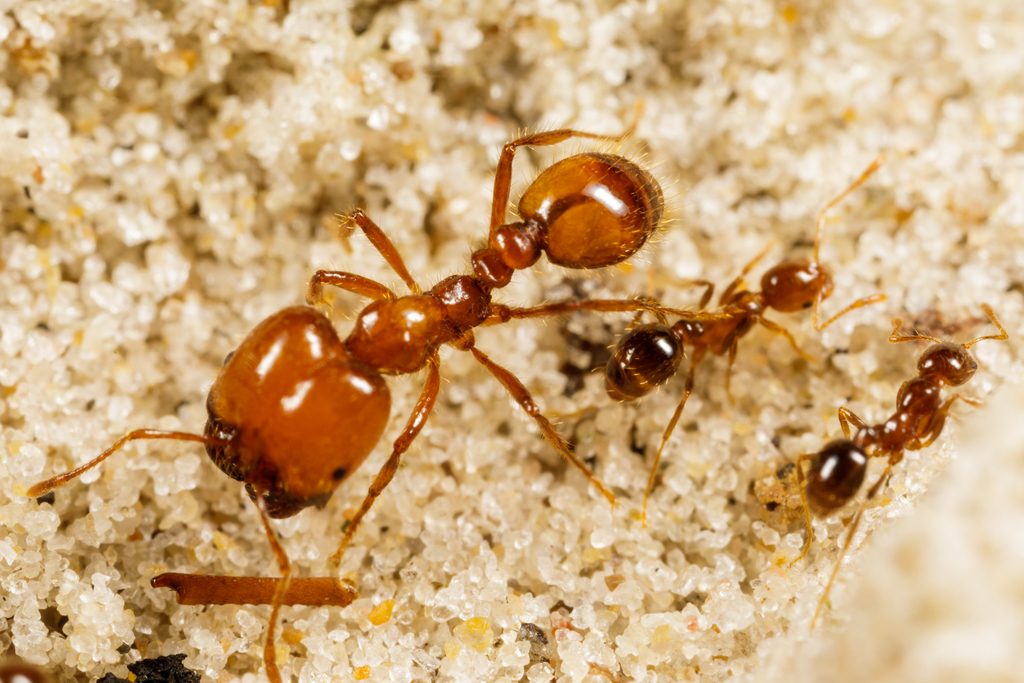
Can I keep it?
Setup
The numbers
Temperature
One ambient band, 26–32°C. This sheet states no warm side, no cool side and no night figure, so none are shown. Same scale on every sheet here, so two species compare by eye.
The sheet states26-32C
Humidity
The sheet states40-70%
The page we cite does not state this figure. We opened it on 10 Aug 2026 and it gives no temperature for this species at all. The values above may still be right, but we cannot show you where they came from, and nobody here has checked them against a second source. Anything about a sick animal goes to a qualified exotic vet, not to a page. en.wikipedia.org
Enclosure and conditions
What your climate adds
This sheet states a range to hold. Your local climate decides how much work holding it is. Pick the nearest city: nothing is sent anywhere, the choice stays in this browser.
What it needs
Every line above is deduced from a value this sheet states, and names which one. Nothing here is a general recommendation. What the sheet does not state is listed too, rather than left out: a kit that looks complete is worse than one that names its gap.
Food
Diet
Daily life
Behaviour and handling
Health
Common health problems
The species
Identity
Adult size
True scale, against a 1.75 m person
Logarithmic, the same axis on every sheet
The size the sheet states for a grown animal.
Why
Two drawings, because they answer two questions. The silhouette is at true scale against a 1.75 m person: it says how big this animal actually is, which no number does for someone who has never seen one. The bar under it is logarithmic and shared by every sheet here, so a 2 cm isopod and a 4 m python both stay readable on the same axis and two species can be compared at a glance.
Reproduction
Good to know
- Included as an honest warning: this is the sting behind most Thai 'fire ant' hospital cases
National law is not global, and we hold no national wildlife law for any country, Thailand included. Check your own authority before buying or selling.
Questions & sources
https://keepr.pet/husbandry/en/solenopsis-geminata
Others in this group
What this sheet states
This sheet states 6 of 7 of the fields this product runs on. What is missing turns something off: day/night engine and awake count on the globe. We show the gap rather than fill it with a plausible number.
UVB is measured but does not count: it is absent from 420 of 678 sheets, and on most of them that is not a gap, since a nocturnal snake's sheet has no reason to state a UV index. Counting it would call the library incomplete without cause.