KeeprHusbandry You're a Pro? Click here to meet Rex
Atlas / Library / Testudinidae / Elongated tortoise
IntermediateCrepuscular · waiting for duskCITES II
Testudinidae

Elongated tortoise

Indotestudo elongataเต่าเหลือง

The page we cite does not state this figure. We opened it on 10 Aug 2026 and it gives no temperature for this species at all. The values above may still be right, but we cannot show you where they came from, and nobody here has checked them against a second source. Anything about a sick animal goes to a qualified exotic vet, not to a page. iucnredlist.org

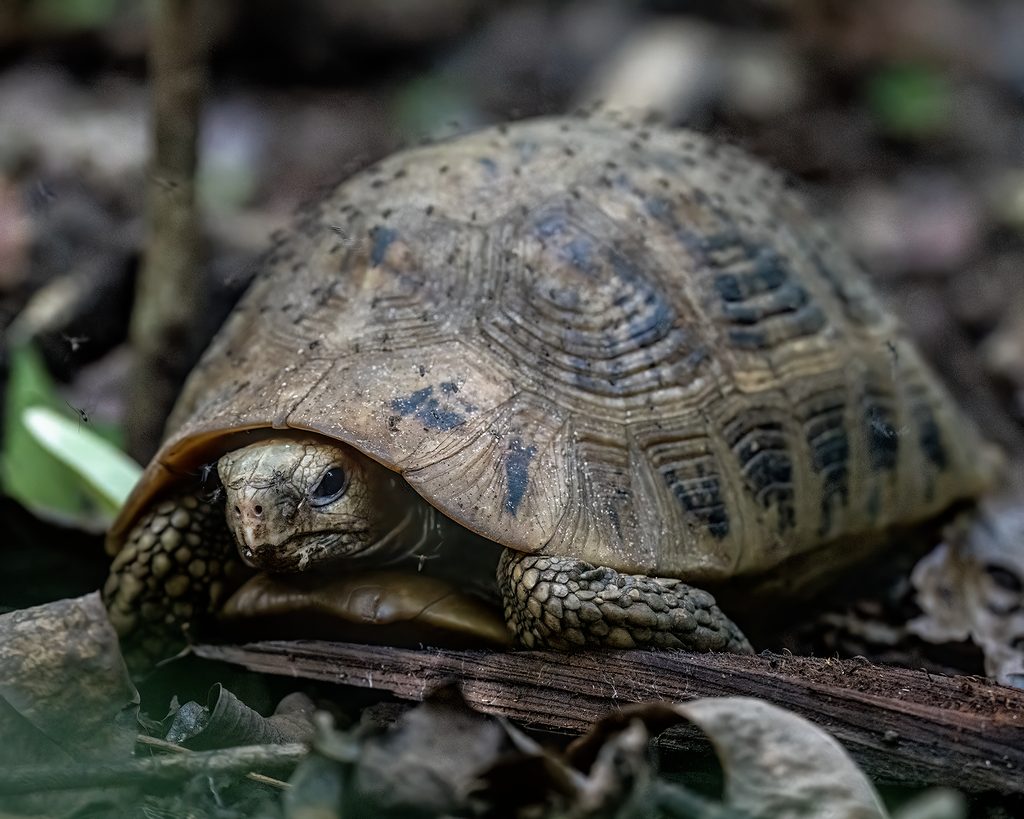
Photograph: Noah Kirkland · CC BY

14:00
Day

Drag the sun. Elongated tortoise is crepuscular, so what it is doing changes with the light. The sheet states a night temperature, and the rail follows it.

CITES II is a global listing and holds in every country. National law is not global, and we hold no national wildlife law for any country, Thailand included. Check your own authority before buying or selling.

Back to the globe My keep

https://keepr.pet/husbandry/en/indotestudo-elongata

‹ All husbandry guides
Temperature26–30°C
EnclosureRequire large to very large terrarium
DietThis tortoise regularly takes snails, slugs and worms in addition to green leafy material, fruit and vegetables
Photograph of Elongated tortoise (Indotestudo elongata)
Photograph · James Hunt · CC BY

Photographed by an observer on iNaturalist and published under a Creative Commons licence; the photographer and the licence are named under the image. It is not an animal of ours, and no animal was handled by us to produce it.

The numbers

Temperature

152025303540 °C
26–30°Cool side
18°Night
Warm side: not in our data

The cool side, 26–30°C, dropping to 18°C at night. This sheet states the cool side only. It gives no warm side or basking figure, so the hot end is not in our data. Same scale on every sheet here, so two species compare by eye.

The sheet statescool 26-30 °C / night 18 °C

Enclosure
Require large to very large terrarium
Diet
This tortoise regularly takes snails, slugs and worms in addition to green leafy material, fruit and vegetables

Identity

Family / Order
Testudinidae / Testudines
Legal
Thai-native, WARPA protected; IUCN Critically Endangered

Enclosure and conditions

Temperature
cool 26–30 °C / night 18 °C

What your climate adds

This sheet states a range to hold. Your local climate decides how much work holding it is. Pick the nearest city: nothing is sent anywhere, the choice stays in this browser.

Behaviour and handling

HandlingShy, crepuscular
HousingOne or small group
NoteYellowish head flushes pink in breeding males

Reproduction

Sexing
Male longer tail, concave plastron
Breeding
2–4 eggs per clutch

When to see a vet

T

Good to know

  • Native to Thailand and Critically Endangered: captive-bred, documented animals only.

Common questions

This one is Thai, right? Can I keep it?

It is native here and legally protected, so it can only be kept with correct registration and documents. Always ask to see the paperwork before you buy.

What does it eat?

Greens, mushrooms and fruit, with a little animal matter. It is more of a forest omnivore than a grazer.

Does it need sun?

It likes shade and humidity more than open sun. A shaded pen with leaf litter and a soaking dish suits it.

How big does it get?

Around 30 cm, sometimes a little more.

What it needs

A thermometerbecause tempcool 26-30 °C / night 18 °C
A way to check the night figurebecause tempcool 26-30 °C / night 18 °C
Not stated: The heat sourcethis sheet names only the cool side: « cool 26-30 °C / night 18 °C »
Not stated: The size of the enclosurethis sheet describes the enclosure without a figure: « Require large to very large terrarium »

Every line above is deduced from a value this sheet states, and names which one. Nothing here is a general recommendation. What the sheet does not state is listed too, rather than left out: a kit that looks complete is worse than one that names its gap.

Sources

Others in this group

What this sheet states

62%
TemperatureHumidityEnclosure sizeActivityOriginDietSourcesUVB

This sheet states 4 of 7 of the fields this product runs on. What is missing turns something off: humidity instrument and audit, enclosure size audit, the diet section. We show the gap rather than fill it with a plausible number.

UVB is measured but does not count: it is absent from 421 of 678 sheets, and on most of them that is not a gap, since a nocturnal snake's sheet has no reason to state a UV index. Counting it would call the library incomplete without cause.